Atradius Atrium
Get direct access to your policy information, credit limit application tools and insights.

 United Kingdom
 Australia
 Austria
 Belgium
 Brazil
 Bulgaria
 Canada
 China
China
 Czech Republic
 Denmark
 Finland
 France
 Germany
 Greece
 Group
Group
 Hong Kong SAR
 Hungary
 India
India
 Ireland
 Italy
Italy
 Japan
Japan
 Lithuania
 Mexico
 Netherlands
 New Zealand
 Norway
 Poland
 Portugal
 Romania
 Singapore
 Slovakia
 Slovenia
 Spain
Spain
 Sweden
 Switzerland
 Turkey
 United Arab Emirates
United Kingdom
United Arab Emirates
United Kingdom
 United States
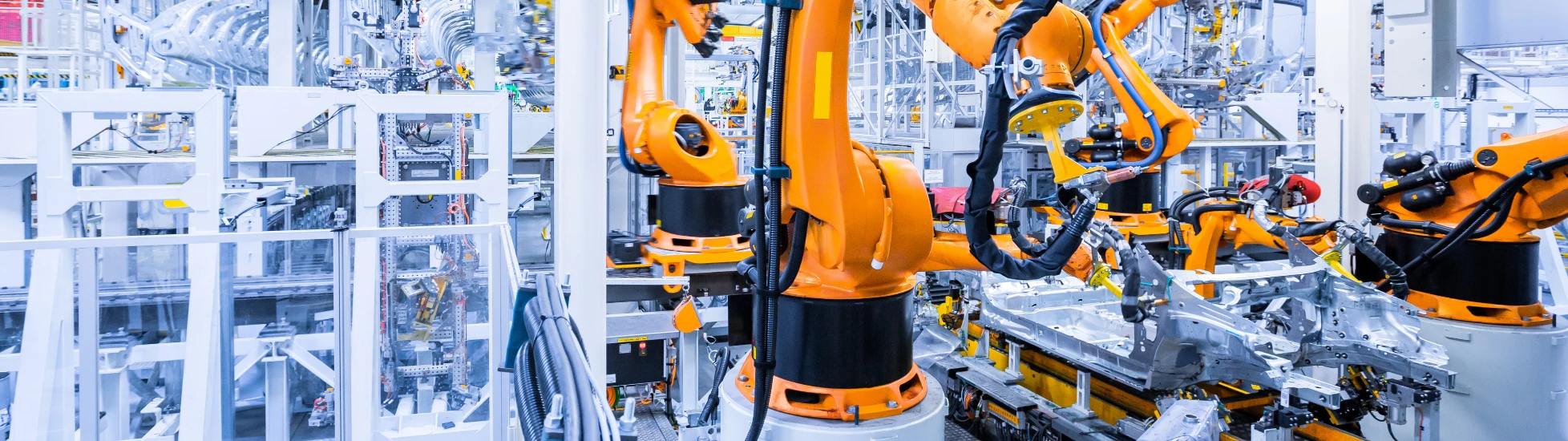
With some exceptions, such as auto plants, the UK manufacturing industry has often taken flak for failing to make the most of automation technology and robotics.
It’s true that there are a lot of traditional firms out there, many that have passed from one generation to the next, that have been slow to invest in kit that could drastically improve performance.
But from what I am seeing, the tide is turning. Years of difficult conditions – from high costs and worker shortages to geopolitical volatility and supply chain disruptions – have finally spurred many UK manufacturers into action.
Increasingly, when I speak with companies, they tell me how they are investing in automation or taking a leap into robotics, particularly to take away undesirable, dirty tasks.
Importantly, it’s not just larger manufacturers that are embracing automation. I’m seeing it among smaller firms too.
There are several good reasons for this. Firstly is the need to survive and grow when the economic conditions are so punishing.
High energy and input costs, along with rising unemployment, all feed into this. In the UK, the competitive disadvantage is dreadful. It’s so much more expensive to make things here than it is elsewhere.

Firms are also being weighed down by poor demand from other slow-growth economies, like Germany.
For those businesses brave enough to commit investment, automation is one of the few levers they can pull to improve economies of scale and protect margins.
It’s a way to claw back a competitive advantage. Moving towards an Amazon-type automated model provides agility: production lines can switch quickly between products, rather than waiting for tooling or dies to be changed manually.
The way that industrial technology has improved is another reason for the changes I’m seeing in its adoption.
Today's robotics bear little resemblance to the fixed production lines of old. Industrial technology is becoming more accessible, efficient and less energy-demanding than it used to be. Costs are gradually falling too.
%20(1).2026-08-05-12-43-07.png)
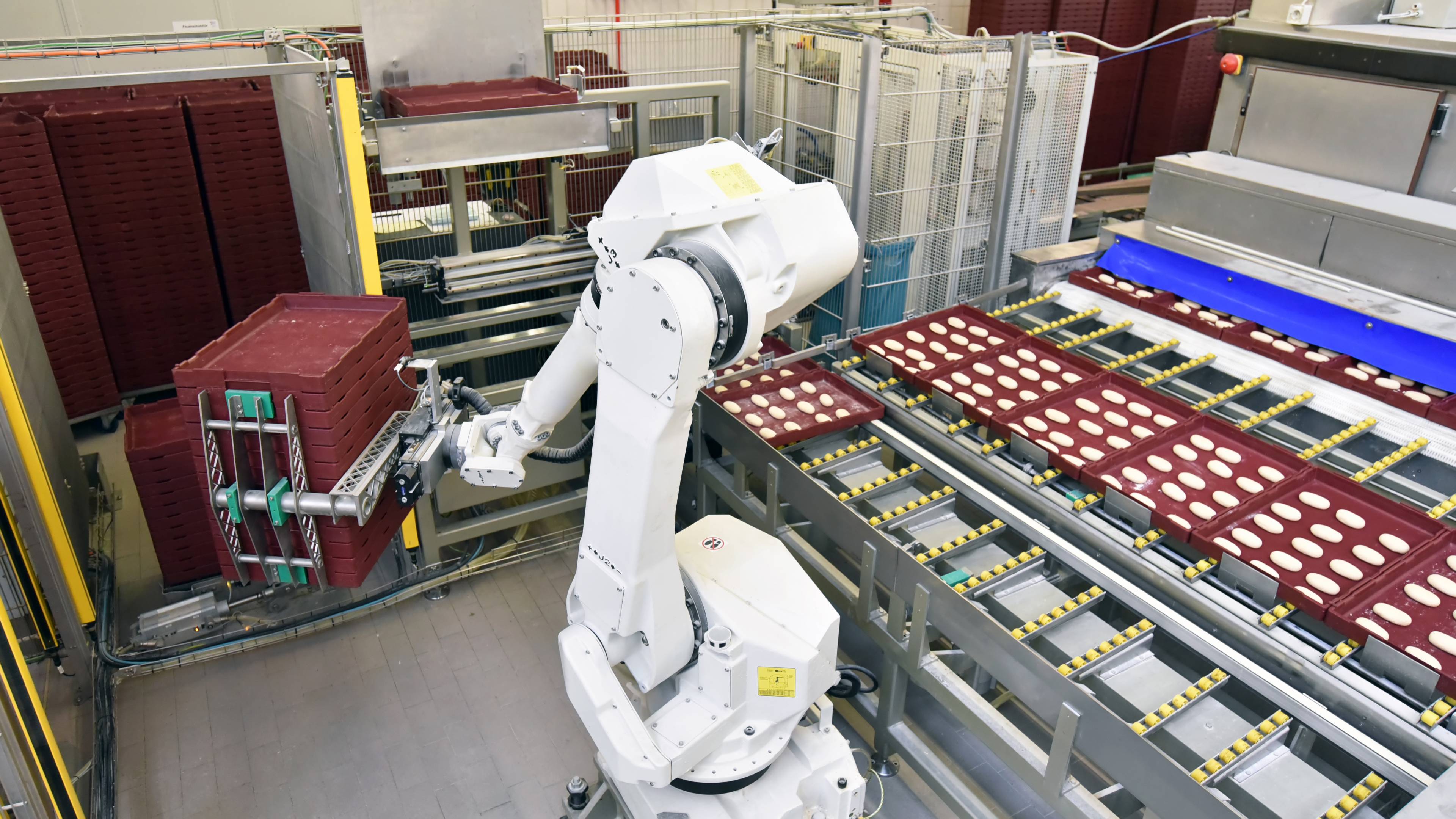
At a recent demonstration, I watched a robot that had been programmed to pick up a red ball and put it in a slot. It then switched instantly – following an instruction made by smartphone – to do the same with green balls.
It was a show of the predictability and reliability that modern automation can offer.
Today's robotics bear little resemblance to the fixed production lines of old. Industrial technology is becoming more accessible, efficient and less energy-demanding than it used to be. Costs are gradually falling too.
The drastic, long-term shortage of people to work for manufacturers is another part of this puzzle.
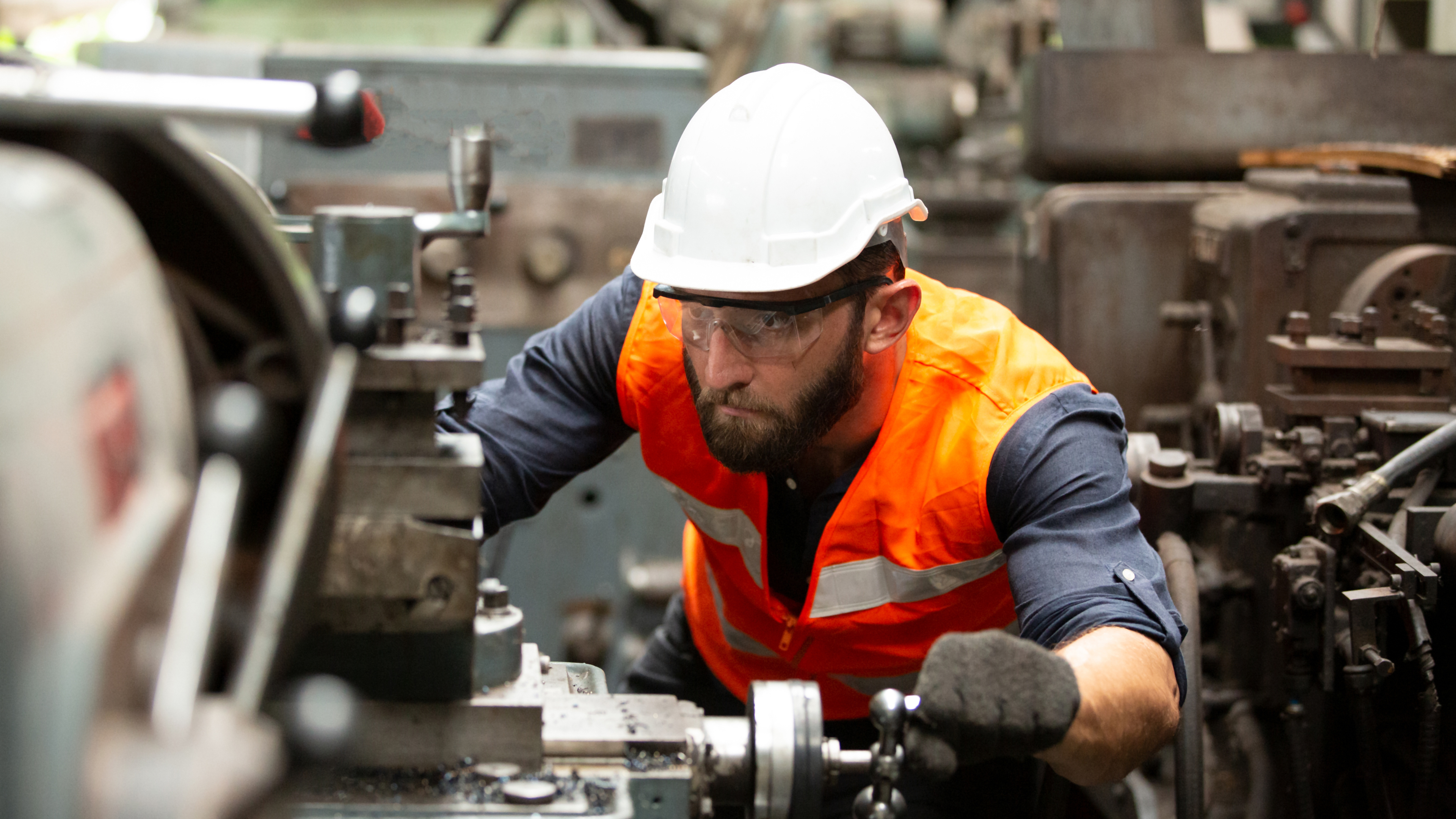
For manufacturers, there is a need to do more with less. Older employees are leaving and younger people may be reluctant to replace them. Few want jobs in heavy manufacturing these days, particularly what they perceive as dirty, grimy roles.
%20(2).2026-08-05-12-45-42.png)
Robots have no such qualms. They can take on the arduous, unpleasant and repetitive jobs that no one wants to do.
It’s crucial to realise, though, that even when robots are introduced, there are still opportunities for people. In manufacturing, the idea that robots take human jobs has often proven a myth (so far, at least).
Researchers at London School of Economics tracked automation at 27,000 manufacturing sites in Britain through computer numerical control (CNC) machines (precision tools that cut or shape materials) and industrial robots. They found that rather than taking jobs away, automation in British factories is followed by higher plant employment.
In many cases, robots aren't replacing stable, skilled jobs but filling roles that employers already struggle to recruit for.
Robotics and automation can also help with another pervading challenge: the need to meet increasingly strict sustainability targets.
Carbon dioxide emissions and water use are under scrutiny like never before. There's a growing recognition of the sheer amount of water used in manufacturing processes. Is there a way we can do this better? Robotics comes into that again.

At a time when so many manufacturers are just clinging on, I can’t overstate the risks of complacency. Those businesses that don't invest and embrace automation will lose any competitive edge very quickly. Manufacturers can only do so much to control input costs and wobbly supply chains. Automation is a lever they can pull to offset these challenges.
Want to learn more?
