Atradius Atrium
Get direct access to your policy information, credit limit application tools and insights.

 United Kingdom
 Australia
 Austria
 Belgium
 Brazil
 Bulgaria
 Canada
 China
China
 Czech Republic
 Denmark
 Finland
 France
 Germany
 Greece
 Group
Group
 Hong Kong SAR
 Hungary
 India
India
 Ireland
 Italy
Italy
 Japan
Japan
 Lithuania
 Mexico
 Netherlands
 New Zealand
 Norway
 Poland
 Portugal
 Romania
 Singapore
 Slovakia
 Slovenia
 Spain
Spain
 Sweden
 Switzerland
 Turkey
 United Arab Emirates
United Kingdom
United Arab Emirates
United Kingdom
 United States

The conflict in the Middle East has triggered disruption to global travel and trade on a scale we haven’t seen since the pandemic.
The region plays a vital role in global travel. It normally accounts for 5% of global international arrivals and 14% of global international transit traffic. It is home to crucial global logistics corridors – which can quickly become chokepoints in times of conflict.
For transport and logistics, the impact has been widespread, through an interplay of suspended holiday routes, rising fuel costs and shipping delays and diversions.
Starting with air passenger travel, tens of thousands of flights have been cancelled since the conflict began, and over a million travellers worldwide found themselves stranded, according to reports. Major airlines including Emirates, Etihad, Qatar Airways, British Airways and Virgin Atlantic have suspended or rerouted services to affected areas.
But among airlines, overall, the impact is mixed. Short-haul airlines in Europe are better positioned than long-haul carriers reliant on Middle Eastern airspace and connectivity. There have been plenty of stories about holidaymakers making last minute switches from locations like Dubai to Spain.
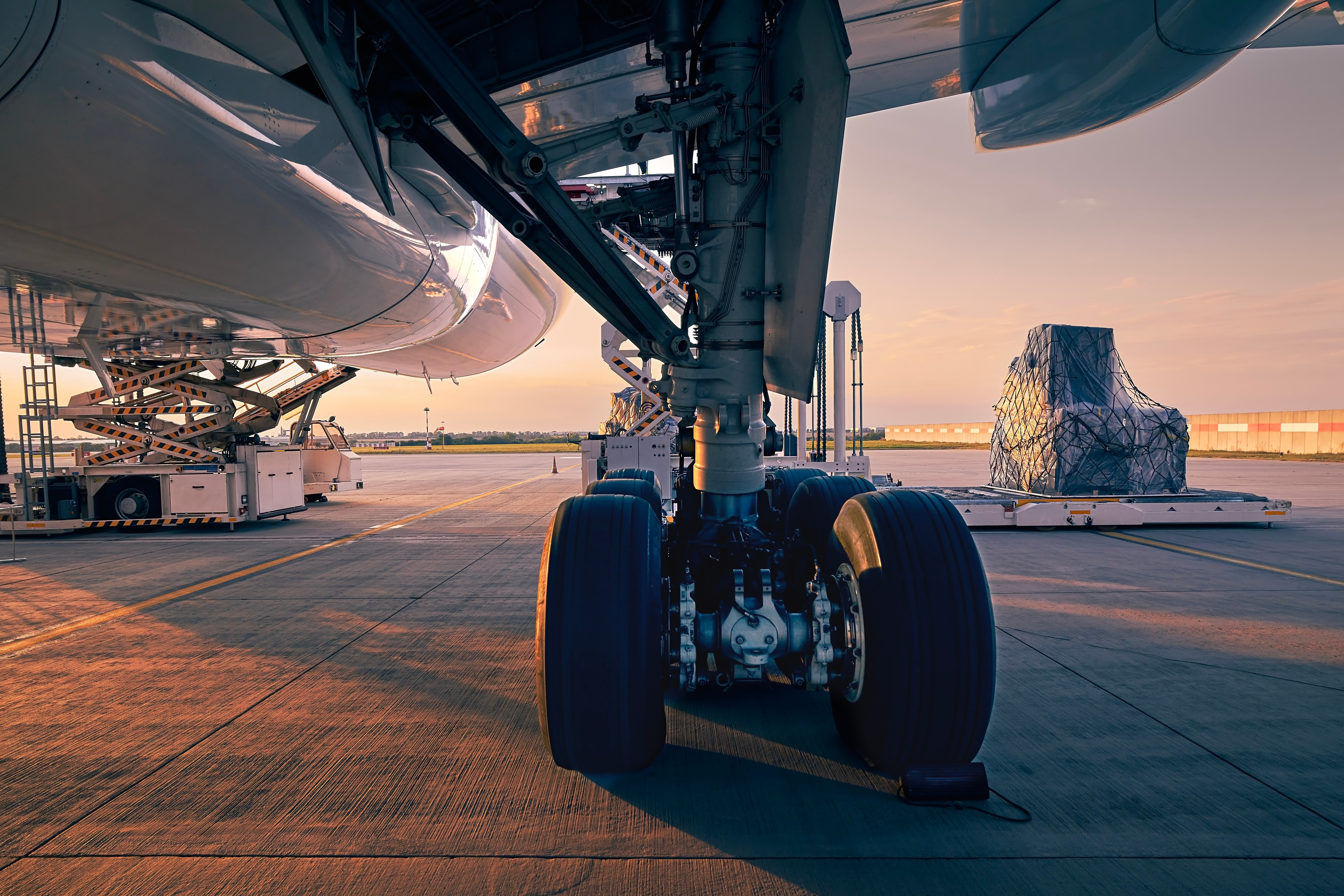
Ryanair, for example, reported a surge in bookings for Easter holidays to European destinations.
For those European airlines that travel further afield, it could even lead to longer-term changes: there are reports that the conflict has prompted some to investigate new routes that bypass Middle Eastern airspace entirely. Among European airlines, Lufthansa and Air France-KLM have said they are increasing flights to Asia.
Average jet fuel prices have surged more than 100% higher over the past month,
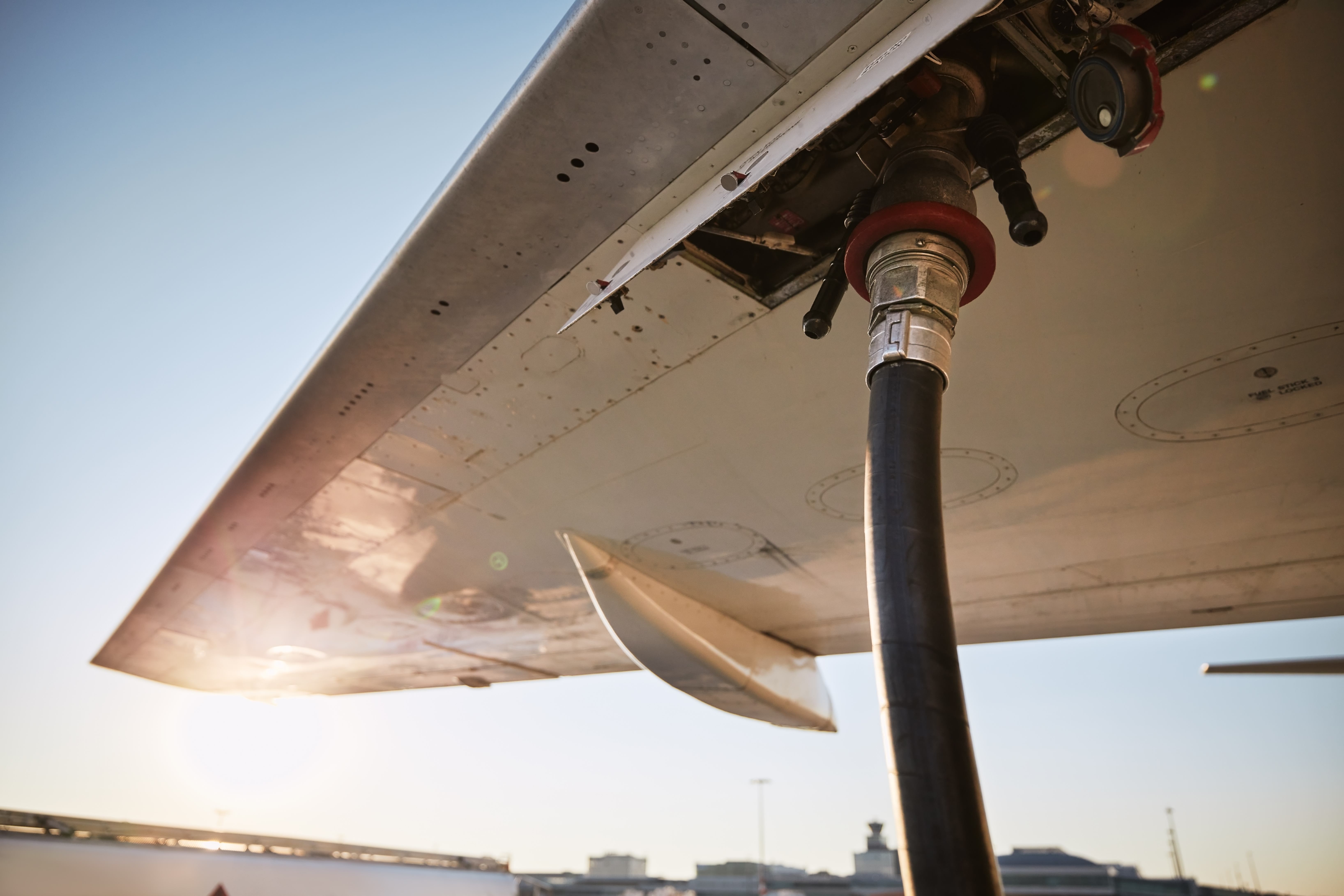
Rising fuel prices are also leading to uneven impacts across airlines. Average jet fuel prices have surged more than 100% higher over the past month, according to the International Air Transport Association's (IATA) latest fuel price monitor.
Some airlines are in a better position than others to manage this enormous rise. Ryanair, for instance, has said it is among airlines that are well hedged against rising fuel prices. But others may not be so well prepared: Reuters reports that US airlines abandoned the practice of hedging against fuel costs. They are more directly exposed to the current volatility in energy markets.
But to be clear, all airlines are affected in some way by the conflict. As fuel hedges unwind, those that are riding out the disruption in the short term may start to struggle. In anticipation, Kenton Jarvis, chief executive of EasyJet, has advised passengers to book as early as possible. He has said the war has started to hit flight bookings and, while the airline had hedged much of its fuel into next year, the air fares are likely to rise by the end of the summer.
Air freight is also being significantly impacted – although, again, not in a consistent way. The extent of the effect depends largely on the nature of the cargo. For example, pharmaceuticals and perishable items require tightly controlled conditions, including temperature regulation, making it difficult to seek out alternative transport options.
All of this comes just as the health of many airlines had started to look better. Going into 2026, rising passenger volumes and stronger demand for air freight (helped by demand for online shopping) meant the sector was expected to recover this year. That improving trajectory is now at risk, especially if the war drags on.
The impact on the transport sector goes wider than airlines. In total, the World Travel & Tourism Council (WTTC) estimates that the conflict is already impacting the travel and tourism sector across the Middle East by at least $600 million per day in international visitor spending.
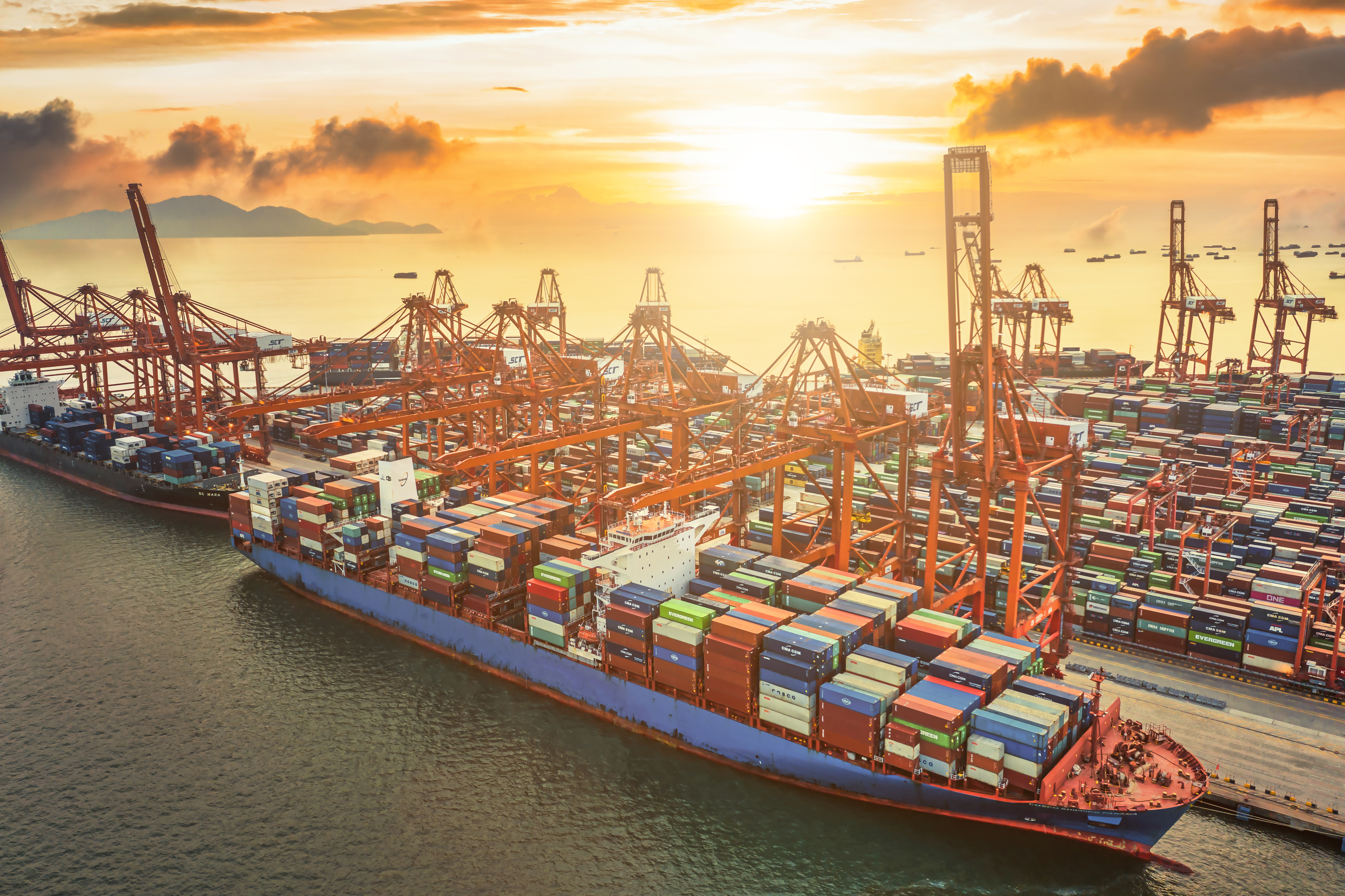
The impact on sea freight is huge. Conflict is making ships take longer routes – all the way around the Cape of Good Hope – or remain stuck where they are, which adds to costs, reduces global shipping capacity and clogs up ports. Over the past month, container freight rates have risen 28%. This adds further pressure to already strained global supply chains.
Shifting along the supply chain, we see the friction created for freight forwarders – those go-betweens that are so essential to keeping goods moving from place to place. They are particularly exposed if they've committed to contracts and aren't able to pass costs along. The world’s biggest freight forwarder, DSV, has reportedly warned customers to expect extended transit times, irregular schedules and rate increases.
The transport supply chain reverberations don’t stop there. Rising fuel prices and supply chain blockages harm haulage providers, many of which are under contract and have limited room for manoeuvre if prices go up substantially.
Technology can help to a certain extent. Haulage firms, for instance, point to the benefits of tools like real-time tracking and route planning software, to travel as efficiently as possible.
But the fact remains that as a highly import-dependent economy, the UK is particularly vulnerable to rising freight and energy costs feeding through supply chains. Many firms, especially smaller retailers and manufacturers are already operating on thin margins and facing weak consumer demand.
If logistics providers and importers are forced to pass higher costs on, it will lead to higher prices for goods, fuelling inflation. If they must absorb costs themselves, this will squeeze margins across the supply chain, reducing profitability, investment and potentially leading to cutbacks. The burden is likely to be shared among businesses and consumers, who will feel the impact through a mix of higher prices and lower margins.
It is early in the conflict and the impact on transport businesses, and those across supply chains, are still to play out. But if the conflict drags on, the industry may face a prolonged period of instability.
Want to learn more?