Atradius Atrium
Get direct access to your policy information, credit limit application tools and insights.

 United Kingdom
 Australia
 Austria
 Belgium
 Brazil
 Bulgaria
 Canada
 China
China
 Czech Republic
 Denmark
 Finland
 France
 Germany
 Greece
 Group
Group
 Hong Kong SAR
 Hungary
 India
India
 Ireland
 Italy
Italy
 Japan
Japan
 Lithuania
 Mexico
 Netherlands
 New Zealand
 Norway
 Poland
 Portugal
 Romania
 Singapore
 Slovakia
 Slovenia
 Spain
Spain
 Sweden
 Switzerland
 Turkey
 United Arab Emirates
United Kingdom
United Arab Emirates
United Kingdom
 United States
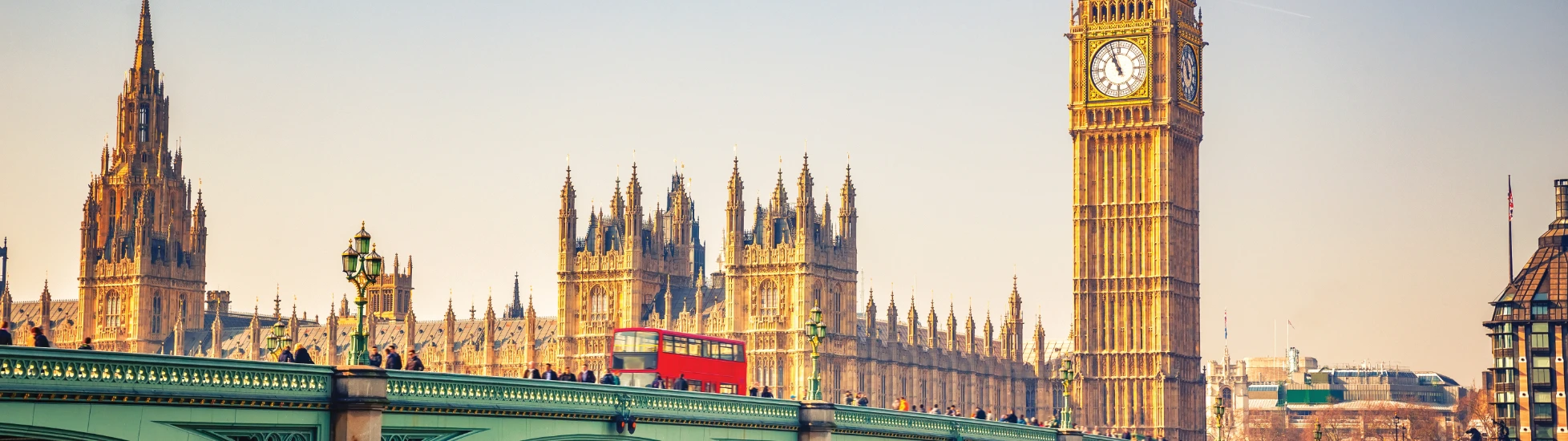
Here are 10 things that we know so far.
Britain's seventh prime minister in a decade has declared a “10-year mission to raise people’s living standards”.
In his first speech in the job, he promised to give people more "breathing space" to help with their finances. He announced that VAT will be cut from household electricity bills.
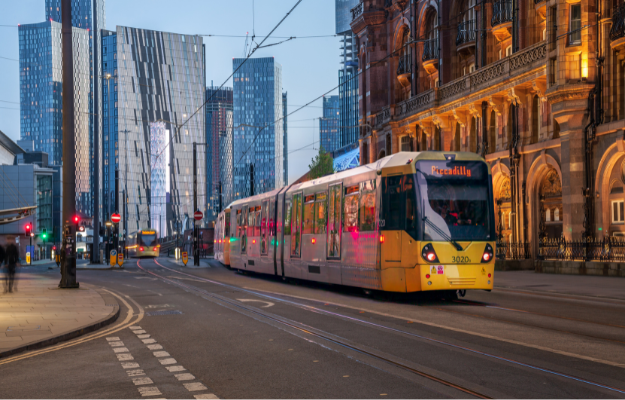
The former Mayor of Greater Manchester has promised an extension of his political philosophy of ‘Manchesterism’.
He plans to set up a new No 10 unit based in Manchester, and the aim is for regions to be handed more control in areas including housing and transport.
%20(4).2026-07-30-14-43-10.png)
“We will bring about the biggest rebalancing of power our country has seen,” he has said.
Burnham, a veteran politician who first became an MP in 2001, has said he wants "greater public control" of the water and energy sectors.
He has not yet expanded on what this might entail, but it could follow the Greater Manchester bus network model where private operators bid to run services on a franchise basis, while local authorities control fares, timetables and routes.
“We will build more council homes,” said Burnham, standing on the steps of No 10 on his first day as prime minister. The 56-year-old has promised the biggest council house-building programme "since the post-war period".
He wants to protect green spaces from development by making more use of higher-density residential development in towns.
All eyes will be on the Autumn Budget, when Healey will likely set out how the Burnham Government will balance tax, spending and borrowing.
%20(5).2026-07-30-14-43-37.png)
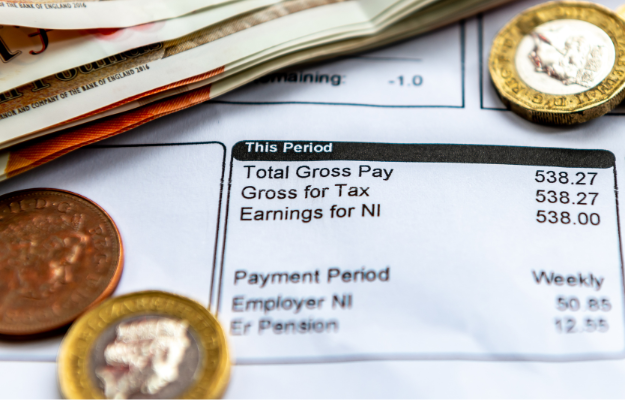
The Prime Minister has said he will stick to Labour's pledge at the last election not to raise the main rates of income tax, VAT or National Insurance.
Burnham has promised to be a “pro-business” prime minister.
In an interview, he suggested business rates on warehouses could be increased to fund tax cuts for pubs and some high-street businesses. He also wants to raise the threshold at which business rates kick in, taking lots of small high street shops out of paying altogether.
Separate reports suggest he plans to reduce business rates for the hospitality sector by 20%.
The Prime Minister has positioned reindustrialisation as central to his economic vision. Burnham has said he wants more world-beating British manufacturers exporting to the world.
“We need to safeguard sovereign manufacturing and production capability across the country in critical sectors like steel, defence, energy, food and farming,” he said.
Burnham said last year that he hoped to see Britain rejoin the EU in his lifetime.

However, when launching his campaign to become MP for Makerfield, he shot down any suggestion of this happening during his premiership: "I'm not proposing that the UK considers rejoining the EU," he said. "I respect the decision that was made at the referendum."
Burnham has pledged to “turn around towns, high streets and local centres, increasing footfall on the high street”.
He wants to make high streets “symbols of Britain’s renaissance” rather than symbols of decline – but the detail on how he will bring this about is yet to come.
The Labour Government has already pledged to end the era of outsourcing public sector services “by default”, and Burnham has added his voice to this mission.
According to reports, he wants to see “insourcing” of contracts, which would mean bringing more government contracts in-house.
Each year, some £400 billion of public money is spent on government contracts.
Want to learn more?