Atradius Atrium
Get direct access to your policy information, credit limit application tools and insights.

 United Kingdom
 Australia
 Austria
 Belgium
 Brazil
 Bulgaria
 Canada
 China
China
 Czech Republic
 Denmark
 Finland
 France
 Germany
 Greece
 Group
Group
 Hong Kong SAR
 Hungary
 India
India
 Ireland
 Italy
Italy
 Japan
Japan
 Lithuania
 Mexico
 Netherlands
 New Zealand
 Norway
 Poland
 Portugal
 Romania
 Singapore
 Slovakia
 Slovenia
 Spain
Spain
 Sweden
 Switzerland
 Turkey
 United Arab Emirates
United Kingdom
United Arab Emirates
United Kingdom
 United States
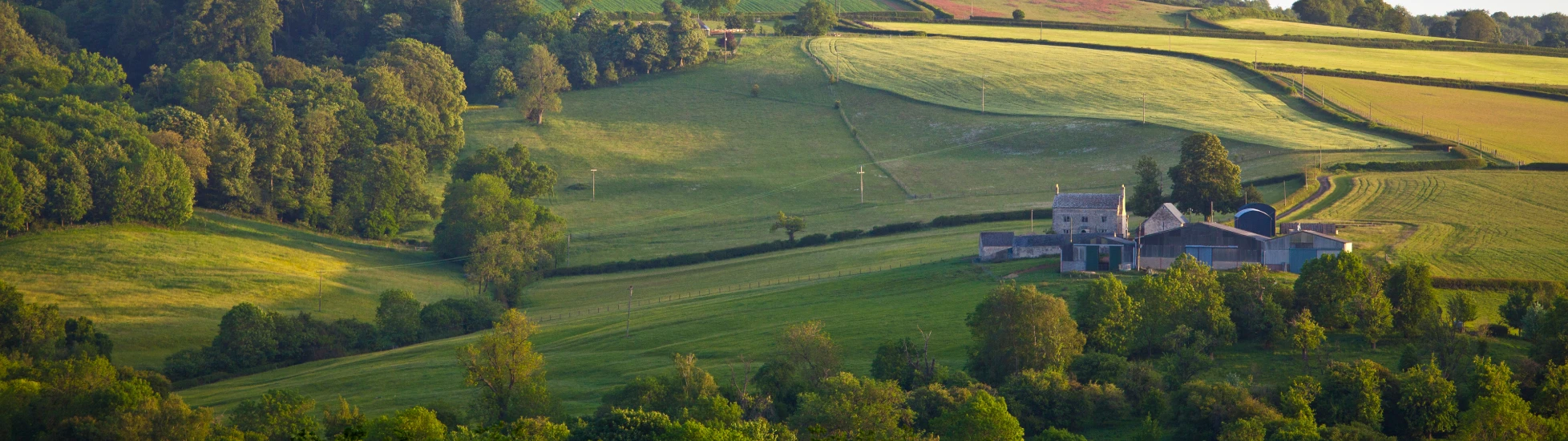
Farmers are being squeezed. Agflation – the rate of inflation measuring input costs for farmers – has risen to more than double general inflation rates.
The latest estimates put the agricultural inflation rate at 8.4% annually. That’s far ahead of CPI at 2.8% (April 2026). At the same time, prices for farming outputs have fallen 5.8% year on year, according to farming consultancy Andersons, who are calling it a “cost of farming crisis”. Andersons estimated milk prices were around 25% lower than a year ago, while pig prices had fallen by 12%.
The rise, which is creating one of the toughest trading environments farmers have faced in recent years, has been intensified by the conflict in Iran. It is forcing farmers across the UK to make hard decisions.
The latest estimates put the agricultural inflation rate at 8.4% annually. That’s far ahead of CPI at 2.8% (April 2026). At the same time, prices for farming outputs have fallen 5.8% year on year
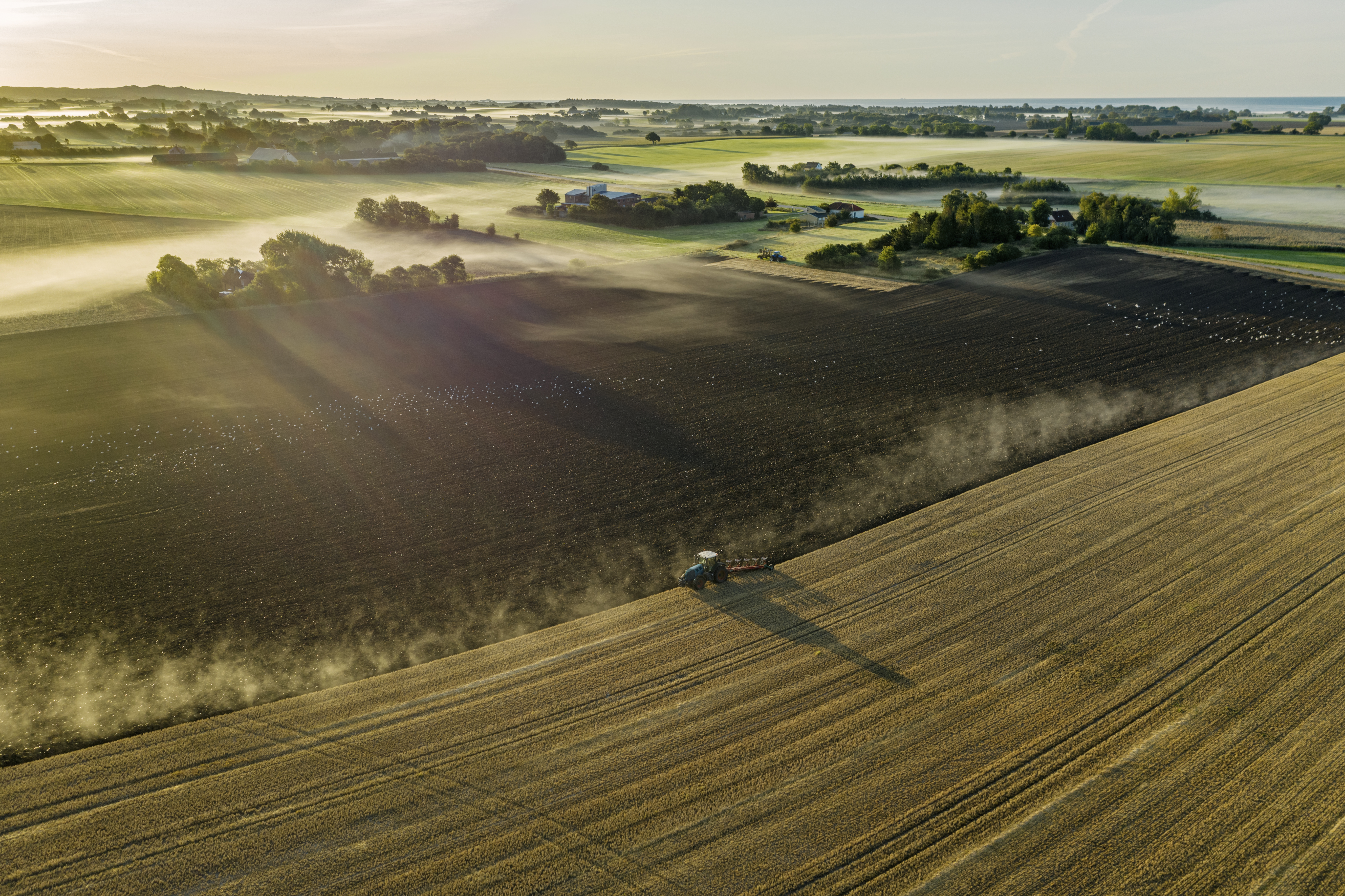
Among the most painful financial blows, the conflict in the Middle East has seen the price of red diesel nearly double, from 78p per litre before the war, to as high as £1.38 in recent weeks. The National Farmers Union (NFU) has described the price level as "critical". For some farmers, this extra expense puts their planting plans in jeopardy.
Rising fertiliser prices are also taking a toll. In normal times, around one third of the global fertiliser supply passes through the Strait of Hormuz. The impact on farmers is in many cases yet to hit, as much of this season’s fertiliser has already been purchased or applied, insulating farmers from immediate price shocks.
.2026-05-19-10-29-00.jpg)
But increasingly, farmers are faced with a tricky decision as to whether to buy more fertiliser now at elevated prices or wait in the hope that prices fall again in the next few months. How do you make that decision amid so much uncertainty? It can feel like the roll of a dice.
Farming is an especially tough sector to be in during periods of volatility like this. Farmers already operate on very tight margins and often have little choice but to absorb costs. They have limited power to negotiate prices with buyers such as supermarkets.
In previous inflationary periods, higher commodity prices helped offset rising costs for farmers. But the current market conditions limit the extent to which higher costs can be passed on.
More broadly, food inflation is only going to rise. The Food and Drink Federation has warned that food inflation could be as high as 10% by the end of 2026. It all depends on how long the conflict lasts. I expect fruit and vegetable prices will creep higher within the next month or so. Imported foods like tomatoes and peppers – foods for which the UK is more reliant on imports – are likely to be hit hardest.
Another concern is carbon dioxide (CO2), which is widely used in food processing and packaging. The UK government moved quickly to support supplies, investing £100 million to reopen the Ensus CO2 plant in Teesside as part of a contingency plan against disruption. The site is now operating at full capacity.
Food inflation could be as high as 10% by the end of 2026
This leads us onto concerns about food shortages. These have arguably been overplayed. While disruption linked to the conflict could create pressure across parts of the food and drink sector, industry sources I speak with suggest the more likely outcome is reduced product variety rather than widespread shortages.
However, overall, there is far more the government can do to support the sector. The NFU is pushing hard for more of a strategy to build resilience into the agricultural supply chain in the case of future shocks. In a recent FT article Tom Bradshaw, president of the NFU, remarked that food production wasn’t being treated like a strategic priority. It doesn’t take a farmer to understand that it must be.
.2026-06-09-08-13-52.png)
In addition, we shouldn’t forget how much pain our food producers were facing even before the conflict started in Iran at the end of February. Farming businesses continue to face economic uncertainty, climate pressures and succession challenges. In the last few years, it's been difficult for farms – often considered high risk by banks – to secure the financing they need to grow.
At Atradius, we continue to monitor the situation closely, working with businesses across the agricultural sector to assess the impact on trading conditions and financial resilience. The crisis is another reminder of the importance of treating food production and agricultural supply chains as a strategic priority for the UK.
Want to learn more?
